
Our Training To Care trainees are coming to the end of their 12 month placements now – and we’re really happy to report that some are already starting to apply for – and get! – permanent jobs in the sector.
Training To Care offers people with little or no work experience the chance to earn money and gain experience as they train towards a formal qualification in Health and Social Care.
 The scheme benefits everyone involved, as trainees get the qualifications and experience they need for a career in care, and employers get a pool of cost-effective, skilled, reliable staff.
Out of the 20 trainees that started, 14 (70%) will complete the programme. Three of these have already completed their Level 2 Diploma in Health and Social Care, and the others are on target to complete theirs by the end of their placements. All have either secured employment already, or are lined up with interviews.
Roza’s story
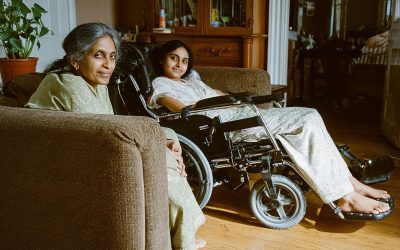
Roza (above right) had previously worked in hospitality and came to Gateway some time ago to work as an interpreter before applying for the Training To Care programme. Although she didn’t have formal care experience, she has cared for her sister, who has Down’s Syndrome.
Roza was accepted onto the Training To Care scheme and placed at Moseley Hall Hospital. There, she’s been earning a wage as she works on the Ward, gaining first hand experience in a caring role whilst she completes her training.
Twelve months on, as well as receiving bespoke NHS training, she’s achieved her all-important Health and Social Care qualification and can also add a year of direct, hands-on experience to her CV.
At the start of this month, she applied for a job at Solihull Hospital as a Level 2 HCA ( Health Care Assistant) and – we’re pleased and proud to say – she got it!
Moving on
Roza isn’t the only trainee to have secured a job already. You might also remember Judith, who was featured with Roza in our last Training To Care feature. We’re very pleased to tell you that Judith will also be working at Solihull Hospital as a Level 2 HCA.
Both Roza and Judith have been able to choose the wards they will be working on; Judith will be working with stroke patients and Roza on the respiratory ward.
All the remaining trainees have got interviews lined up, either for permanent roles in the NHS or private care roles (eg nursing homes), or to become NHS bank staff, which is great news.
Of the 14 trainees, ten were previously unemployed (six long term unemployed), so for them all to be in a position where they are qualified, experienced, and getting interviews is something we’re very proud of.
Moseley Hall staff have expressed their good wishes for all the trainees who will be moving on after their placements.
Clinical Lead at Moseley Hall, Nelson Amao said, “The trainees have worked hard over the last 12 months to gain their qualification and experience on the Ward. They will be sadly missed and wish them all the best.”
Kim, a nurse on the Ward, said, “The trainees came to the role with no experience – just the passion and dedication to complete their 12 month placement. It was great to have new, dedicated staff that we could train and supervise in a practical way.
“All of the trainees have worked hard and fitted into the hospital team well. It was great to be able to assist them into making them excellent Health Care Assistants.”
Watch the video below to hear Roza’s news in her own words – and share her happiness!



0 Comments