
Sometimes the hardest battles are the ones no one can see. For David (name changed), a man in his early sixties from Shard End, that battle was against years of alcohol dependency and deep-rooted self-doubt. Yet beneath the struggle, there was always a quiet determination — a spark that said life could still be different.
When David first connected with our Health and Wellbeing Coach, he was drinking around a litre of vodka daily. He lived alone with his dog, isolated and weighed down by anxiety, shame, and financial hardship. He also carried the emotional strain of being estranged from one of his daughters and the everyday challenges that come with living on the autism spectrum.
From the beginning, the coach recognised that David didn’t need judgement — he needed to be heard. Their coaching sessions became a safe and supportive space where he could speak openly and begin to rebuild his sense of control. Together, they set small, achievable weekly goals: tracking alcohol intake, drinking more water, and using behavioural tools like Stop/Start/Continue to reinforce positive routines.
There were difficult moments. When David’s brother, who had been visiting, returned home, his motivation wavered. But the coach reframed these dips as part of the process, helping him view setbacks not as failure, but as valuable lessons in
resilience.
With a structured plan in place, the coach referred David to a local detox programme and a social prescriber for financial stress. Gradually, he began reducing his alcohol intake in preparation for detox — an enormous step in itself.
After completing a 14-day detox, David achieved full abstinence and stayed sober for at least five weeks post-discharge. He maintained engagement with his GP, SIAS, and counselling services, showing genuine commitment to lasting recovery.
But perhaps the most meaningful progress was personal. David began reconnecting with one of his daughters, took daily walks with his dog, and started to express gratitude rather than shame.
He described feeling “seen” — and for the first time in years, hopeful.
His journey isn’t finished, but it’s a story of courage and connection. With the right tools, compassionate coaching, and a belief that change is possible, David’s life has begun to move from survival toward recovery.
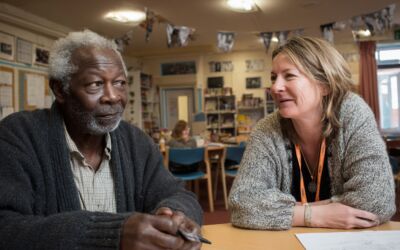
Safe Spaces and New Connections: Peter’s Story
In the UK, loneliness and social isolation are recognised as serious health concerns. According to the Campaign to End...

0 Comments