
Although it’s wonderful to hear from past clients, most people choose not to get in touch once their support has ended… Which is why this story comes to you as a result of a happy coincidence.
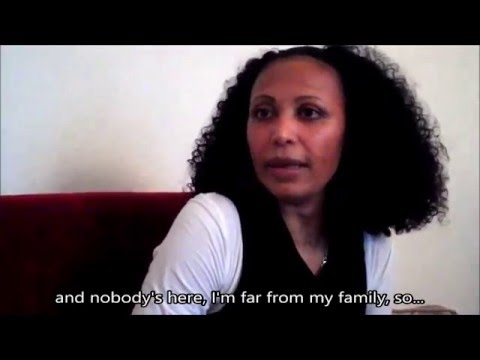
Pregnancy Outreach Workers Service (POWS) Manager Justine went to the hairdressers the other day, and found a familiar face working in the salon: Anita, a POWS client she’d met and interviewed on video more than four years ago! Anita remembered Justine and her POW Nasreen fondly, and agreed to do a catchup video which you can see below.

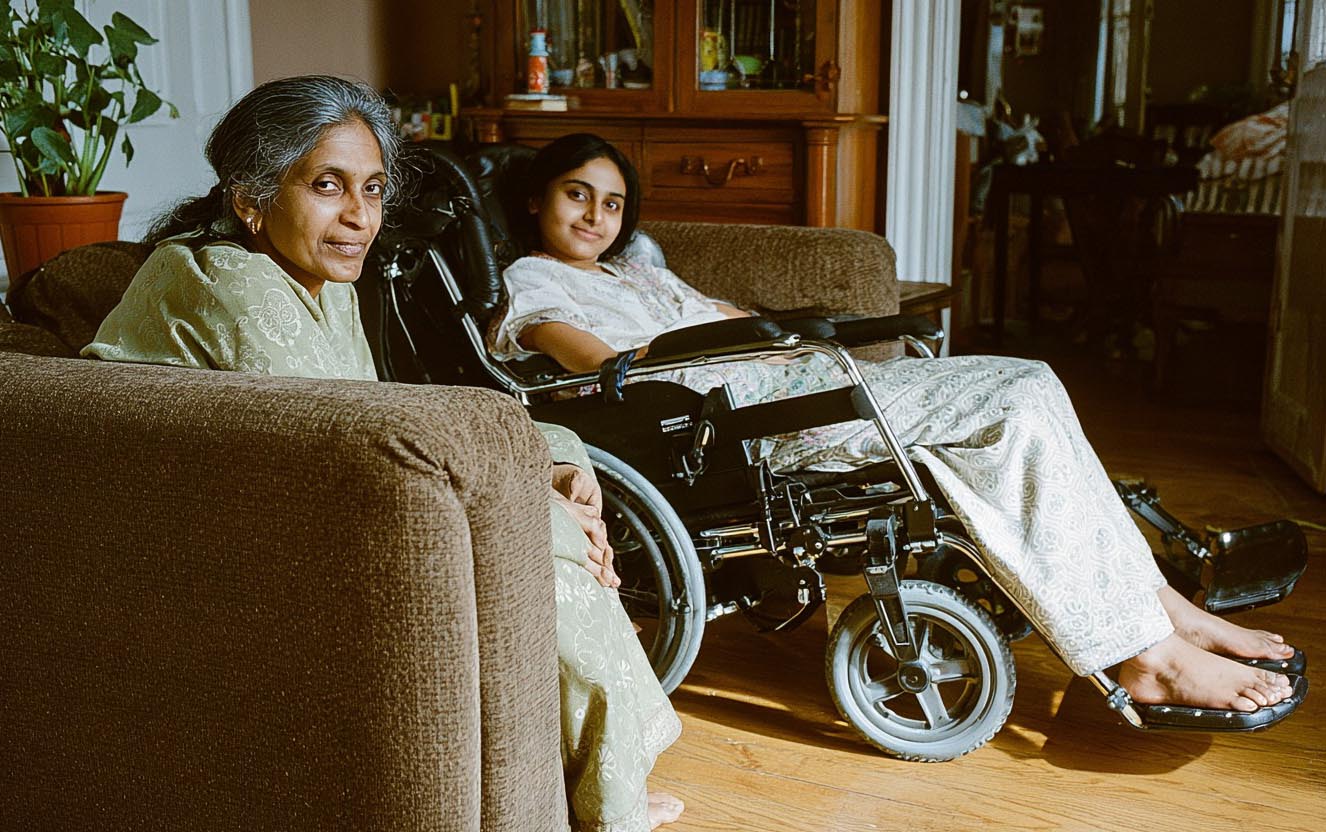
Anita’s POW Nasreen
Anita’s story
Anita came to POWS in late 2011, some months after she’d arrived in the UK from Eritrea. She had recently become pregnant and, although she was working, the accommodation she was living in wasn’t suitable to bring up a baby. Not only that, but she wasn’t accessing any of the housing or maternity benefits she was entitled to, because she didn’t know her rights, or understand the system.
Anita’s POW, Nasreen, helped Anita to find out exactly what her rights were, and to start building a social network. Together they applied for better accommodation and the benefits she was entitled to, and Anita started visiting the group parenting sessions that POWS used to run at local community centres.
Anita gave birth to a beautiful baby girl, and eventually her POWS support ended. But what happened next? Watch the video below to find out!


0 Comments