
Today is the second ever Social Prescribing Day, highlighting the importance and significance of social prescribing within healthcare.
What a difference a year makes
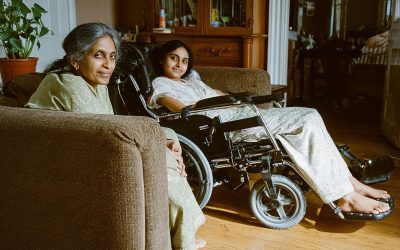
This time last year, we celebrated the first Social Prescribing Day with a story from Healthy Futures. We told how Wellbeing Navigator Ralph had helped Alia and her disabled son to meet new people and put down some roots when they moved from temporary accommodation into social housing.
Healthy Futures was a social prescribing service that we funded ourselves and this was a typical client story, showing just how much a Social Prescribing was needed in Birmingham. However, although Healthy Futures was highly successful from a healthcare perspective — supporting over 200 people with tailored non-medical support, and saving time and money for local GPs — eventually, a lack of external financial support made it unsustainable.
 Since last year’s Social Prescribing Day, though, we’re pleased to say that things have changed considerably.
This year, the concept of Social Prescribing is much more widely known and understood.
NHS England have rolled out Social Prescribing services nationally, funding PCNs (Primary Care Networks, which are groups of GP practices) across the country to offer a model that is very similar to Healthy Futures. Many GPs, practice staff and other primary care providers can now refer patients to a Link Worker, who works one-to-one with the patient to offer direct support and signposting.
Now, people in Birmingham like Alia will be able to once again access support from a trusted para-professional, trained to support people with all sorts of social, non-clinical needs. Gateway is working in partnership with SDSmyhealthcare to deliver a Social Prescribing Link Worker service to 11 PCNs across Birmingham and Solihull, and our new Link Workers are already settling into their surgeries.
Gateway Social Prescribing Link Workers
We have a team of 11 Link Workers, all of whom have a wide network of community contacts and experience and knowledge of their local area. You can meet the Link Workers and read more about them here.
 Each Social Prescribing Link Worker works from a number of different surgeries throughout the week, offering patients one-to-one, person-centred support.
GPs and Practice staff can refer anyone who needs non-medical help, and the Link Worker will work with that person to help them take control of their own health and wellbeing and increase their active involvement with their local community.
- People with social rather than medical needs
- People needing help to access or navigate services
- People experiencing social isolation or poor mental health
- People with issues relating to advice, housing or income
“Sure, we can walk with you through a door – but ultimately it is your door.”
Zeshaan is one of Gateway’s new Social Prescribing Link Workers. He works with GP practices in the NSAR Primary Care Network, covering Nechells, Saltley and Alum Rock. Find out more about his role, and how he feels about social prescribing, in this short video.



0 Comments